
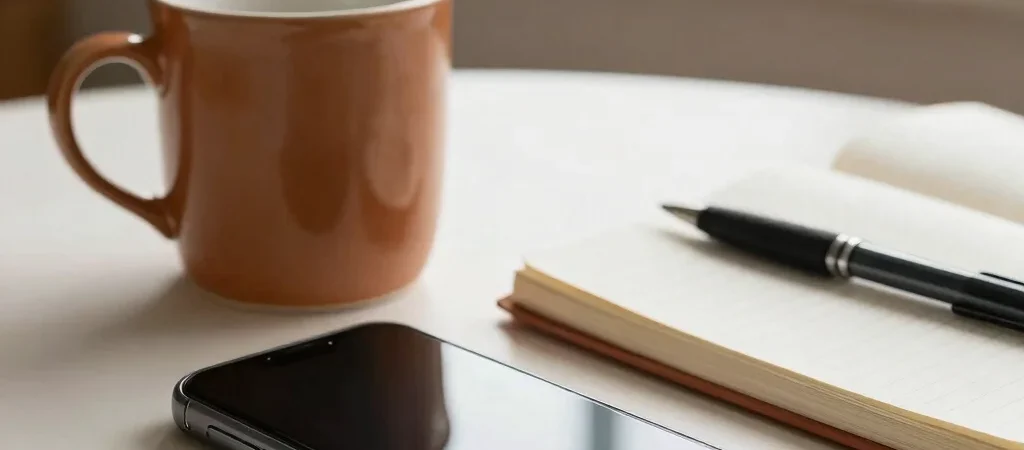
The phone lights up while the kettle warms, then again before the first cup is poured. Most alerts can wait, but each one asks for a tiny decision: look now, or try to remember it later. The goal isn’t to reject useful technology; it’s to make the interruptions earn their place.
Start With What Interrupts You
For a day or two, notice which alerts actually change what you do. A delivery update may matter when you’re waiting at the door, while a string of app reminders can usually be read on your own time. This is a better starting point than switching everything off and discovering you’ve missed something important.
Then turn off the alerts that are only asking you to return to an app. Keep direct messages or calendar reminders if they serve a real purpose, and let the rest wait behind the lock screen. The settings are easy to change again, so treat the first pass as a draft.
Give Checking a Place
A quieter phone works best when it has a routine to replace the constant checking. You might scan messages after breakfast, at a lunch break, and before finishing work; the exact rhythm matters less than choosing it deliberately. When you pick up the phone, you’re there for a reason, not because it flashed.
There will still be days when a message needs an immediate answer. That doesn’t undo the habit. Keep the settings flexible, and let the phone be a tool you reach for rather than a voice that gets the first word in every quiet moment.